
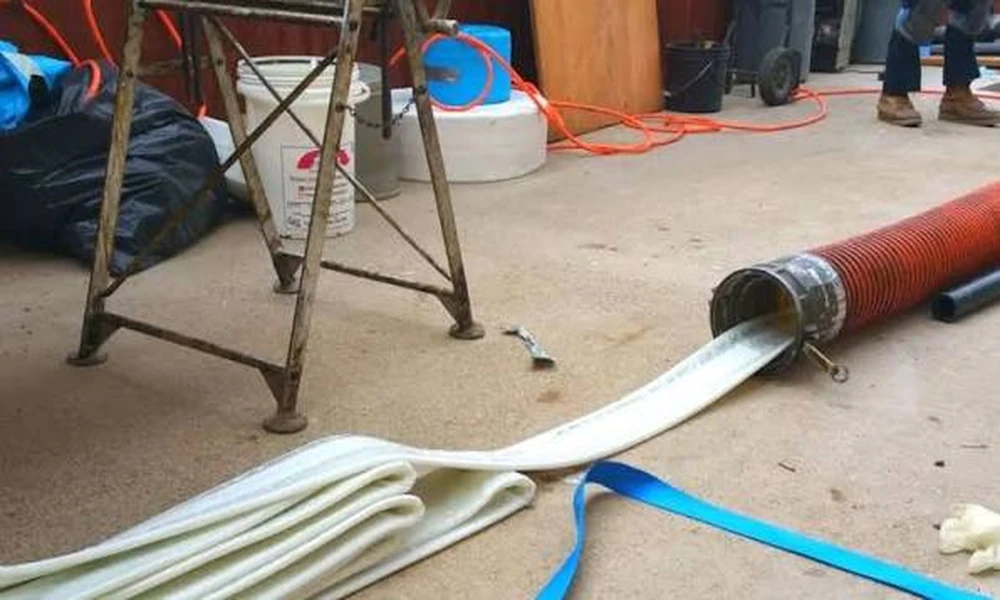
Pipe relining is a strong option for many damaged drains, but it does not work on every pipe in every condition. This is one of the most important things homeowners should understand before agreeing to any repair.
Relining can be a practical way to fix cracks, root entry points, and leaking joints without digging up the entire pipe. It can reduce disruption and protect finished surfaces. But it still has limits. The pipe must be suitable, access must be possible, and the damage must match what relining can properly repair.
A good pipe relining Adelaide assessment should explain both when relining works and when it does not.
What Pipe Relining Can Fix
Pipe relining can often repair cracks, leaking joints, minor gaps, root entry points, and sections where the pipe is worn but still structurally present. The liner creates a new internal surface that seals the damaged area and helps restore flow.
This can be useful for older sewer and stormwater pipes where excavation would be disruptive. It is often considered when damaged drains run under driveways, paving, gardens, or other finished areas.
Trenchless pipe relining is not about hiding the problem. When done properly, it is a structural repair installed inside the existing pipe.
The Pipe Must Still Have Shape
One of the biggest limitations is pipe shape. The existing pipe usually needs to be round enough and open enough for the liner to be inserted and cured correctly.
If the pipe has collapsed completely, flattened badly, or shifted so much that the liner cannot pass through, relining may not be possible. In those cases, excavation and replacement may be safer.
This is why camera footage matters. A plumber cannot confirm suitability only by knowing that the drain is blocked. They need to see the actual condition of the pipe.
Severe Misalignment Can Rule It Out
Pipes can move over time because of ground movement, poor installation, tree roots, soil washout, or age. If the joints have shifted severely, the pipe may no longer line up properly.
Minor joint issues may be suitable for relining, but major offsets can prevent the liner from sitting correctly. Waste may continue to catch, or the installation may not be reliable.
A proper suitability guide should include whether the pipe alignment is acceptable. If the line is badly displaced, pipe relining services may not be the best option.
Poor Fall or Bellied Pipes Need Careful Assessment
A pipe needs enough fall to carry wastewater away. If a section has dropped and now holds water, relining may not fix the drainage grade. The liner may improve the internal surface, but it cannot always correct the low point.
This does not automatically mean relining is impossible, but it means the issue needs careful explanation. If wastewater continues to sit in the same place, the drain may still be prone to buildup.
Homeowners should ask whether the pipe has a good fall and whether water is pooling in the camera footage.
Access Can Affect Whether Relining Is Practical
Relining needs access points so the pipe can be cleaned, prepared, and lined. Sometimes, existing inspection openings are enough. Other times, access may need to be created.
If access is poor, the job may become more complex. In some cases, limited excavation for access may still be needed even if the full pipe is not dug up.
This is still often less disruptive than replacing a whole line, but it should be explained clearly in the quote.
The Cause of Damage Matters
Relining can seal cracks and root entry points, but the wider cause of damage should still be considered. For example, if a large tree is aggressively affecting the pipe area, future root pressure may remain a concern. If ground movement is ongoing, the pipe environment may continue changing.
A good plumber will not only say the pipe is damaged. They will explain why the damage may have happened and whether any surrounding factors need attention.
This helps homeowners understand whether relining is likely to provide a reliable long-term result.
When Excavation May Be the Better Choice
Excavation may be needed when a pipe has collapsed, has major missing sections, is badly misaligned, or cannot be accessed properly. It may also be the better choice if the pipe grade needs correction.
Replacement removes the damaged pipe and allows new pipework to be installed. While it can be disruptive, it is sometimes the only responsible option.
An honest comparison between excavation and trenchless pipe relining gives homeowners confidence. The best repair is the one that fits the pipe, not the one that sounds easiest.
Why Camera Inspection Is Essential
Without a camera inspection, pipe relining suitability is mostly guesswork. The camera can show cracks, roots, offsets, collapses, sags, and pipe material. It can also help measure where the damage is and how long the affected section may be.
Before approving relining, ask to see or receive a clear explanation of the footage. You do not need to be a plumbing expert, but you should understand why the pipe is considered suitable.
A final camera inspection after the work is also useful. It confirms the liner has been installed in the intended section and that the pipe is flowing properly.
Questions to Ask Before Saying Yes
Ask whether the pipe is still round enough for relining, whether any sections have collapsed, whether the pipe has proper fall, and whether there are major offsets. Ask what preparation is required and whether any excavation is needed for access.
Also, ask what happens if relining is not suitable once the pipe is cleaned and inspected more closely. A professional provider should be able to explain the fallback options.
Good pipe relining services are based on diagnosis, not assumptions.
Conclusion
Pipe relining works for many damaged pipes, but not all of them. It can be an excellent solution for cracks, root entry, leaking joints, and damaged sections. It may not work for collapsed pipes, severe misalignment, poor access, or serious grade problems.
Before committing, make sure the pipe has been inspected properly and that the plumber can explain why relining is suitable. The right answer may surprise you, but it should always be based on the condition of the pipe, not just the appeal of avoiding excavation.