


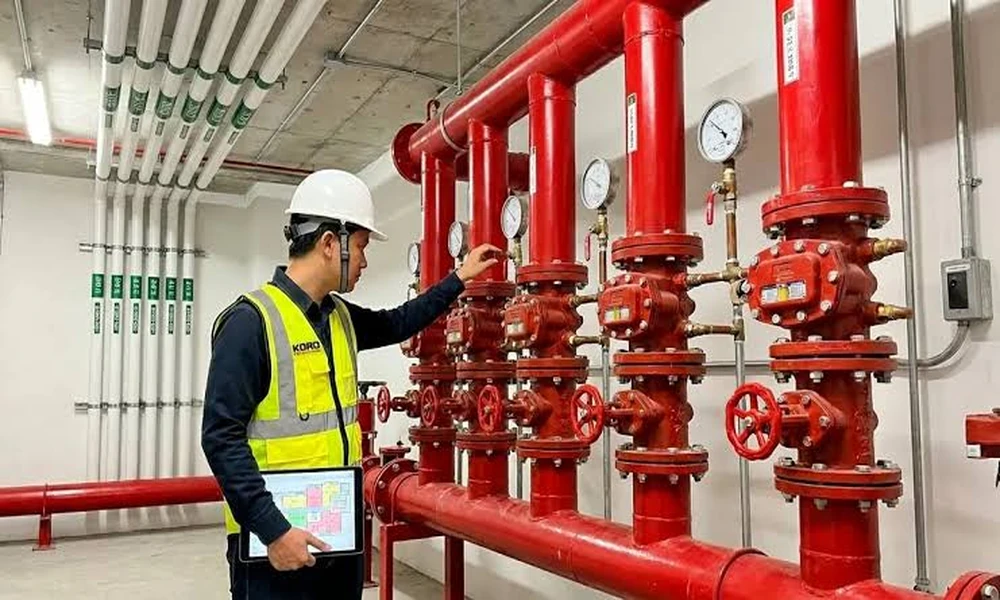
When a commercial building suffers a sudden sprinkler system failure, a massive power outage, or an emergency shutdown of its primary fire suppression alarms, time is everything. Local fire codes usually require a certified fire watch team to step in immediately to prevent catastrophic disasters.
Partnering with a specialized provider like the fast fire watch company guarantees that this transition from initial phone call to active site patrol happens with maximum speed and zero compromise on safety protocols. Rather than simply sending unequipped personnel to fill a post, an experienced agency initiates pre-deployment staging the moment the dispatch call is accepted. This proactive approach ensures that every guard arrives fully briefed on local fire marshal requirements, equipped with site-specific equipment, and prepared to institute immediate life-safety monitoring.
However, an effective rapid-dispatch fire watch doesn’t start when personnel casually stroll through the front doors. The real work happens during the critical minutes before deployment. Here is how professional fire watch teams prep, gear up, and map out their strategy before ever setting foot on a high-risk site.
Decoding the Site’s Vulnerabilities Instantly
When an emergency dispatch call comes in, teams cannot afford to walk into a facility blind. Rapid-response coordinators immediately analyze why the site requires a watch and what specific hazards are waiting.
- The Nature of the Impairment: Is it a broken water main disabling the sprinkler system, a fried electrical panel, or active welding taking place across a sprawling industrial warehouse
- Facility Layout and Blind Spots: Reviewing blueprints, structural layouts, multi-level access points, and dead zones where smoke or heat could hide unnoticed.
- Occupancy Status: Determining whether the building is empty, fully staffed, or occupied by contractors during a heavy renovation phase.
Checking and Staging Specialized Gear
A standard security guard uniform and a flashlight are nowhere near enough for a high-stakes fire watch deployment. Rapid-dispatch teams rely on a specialized checklist of tools to ensure they can manage a crisis the second it pops up.
- Reliable Communication Tools: Fully charged multi-channel two-way radios and backup cell phones to maintain instant contact with local emergency services and site managers.
- Suppression Equipment: Verifying that portable fire extinguishers appropriate for the building’s specific hazards are on hand, charged, and ready to deploy.
- High-Visibility and PPE: Donning flame-resistant vests, heavy-duty boots, and high-lumen flashlights with extra battery packs to navigate pitch-black, smoke-filled corridors or unlit construction sites.
- Digital Logging Tools: Tablets or waterproof paper logs configured for mandatory time-stamped patrol tracking.
Establishing Clear Communication and Escalation Lines
A rapid-dispatch team might be stepping onto a property where facility managers are already panicked. Sorting out communication protocols beforehand prevents fatal delays during an emergency.
They verify direct phone numbers for the local fire department dispatch, plant supervisors, and building engineers.
Mapping Out Rapid Patrol Routes and Frequencies
Every building has unique choke points. During the pre-deployment briefing, the team maps out a strict, non-negotiable walking route designed to cover every square foot of the vulnerable zone.
Depending on local fire marshal mandates and site risk levels, patrols are scheduled to happen every 15, 30, or 60 minutes.
Setting Up Compliance and Logging Standards
Fire marshals and insurance adjusters do not accept guesswork; they demand pristine documentation. Before stepping onto the floor, the team sets up their logging framework to track every single movement. They ensure their logs are ready to capture exact entry timestamps, observed hazards, abnormal temperature spikes, weird odors, and corrective actions taken in real time.
