


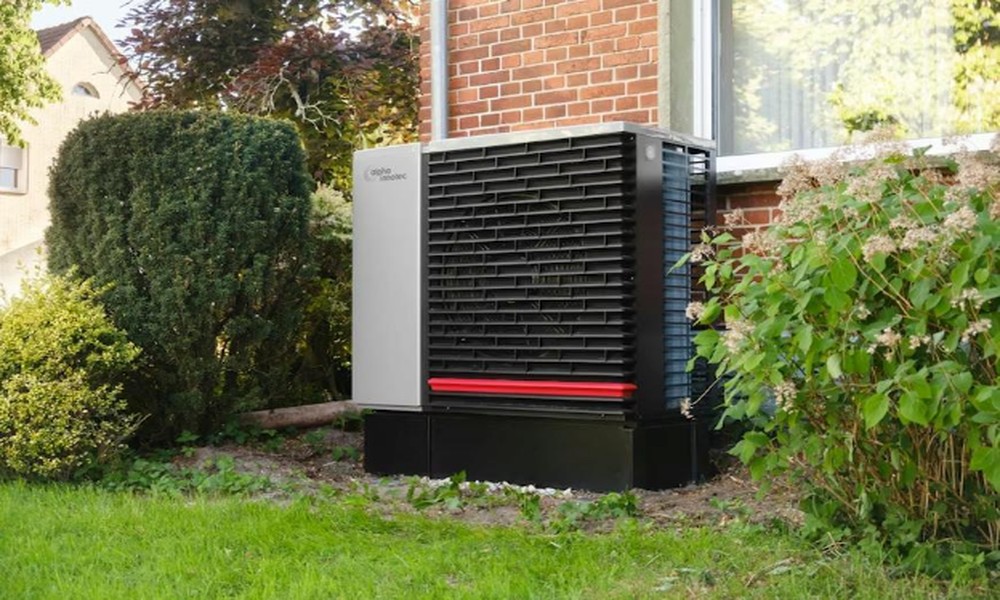
Maintaining a comfortable indoor environment throughout the changing seasons is a top priority for any homeowner. A heat pump is a sophisticated piece of equipment that works tirelessly to provide both cooling in the summer and warmth in the winter. Because these systems operate year-round, they endure significantly more wear and tear than a standard furnace or a standalone air conditioner. Staying ahead of potential issues by scheduling heat pump annual maintenance is the most effective way to protect your investment. By taking a proactive stance on system care, you can ensure that your home remains a sanctuary of comfort while keeping your monthly utility expenses as low as possible.
The Financial Benefits of Consistent Care
The most immediate impact of regular service is reflected in your energy bills. When a heat pump is dirty or out of calibration, it must work much harder to move heat between the indoors and outdoors. Dust accumulation on the coils acts as an unintended layer of insulation, forcing the compressor to run for longer cycles to reach the desired temperature. This increased energy consumption translates directly into higher costs.
Improving Energy Efficiency
Efficiency is measured by the amount of work a system performs relative to the power it consumes. During a professional visit, a technician cleans the evaporator and condenser coils, ensuring that the refrigerant can absorb and release heat without resistance. This process keeps the system running at its peak performance ratings. If you overlook heat pump annual maintenance, you are essentially paying a “neglect tax” every month in the form of inflated electricity bills. Over the life of the system, these savings can total thousands of dollars.
Preventing Expensive Mechanical Failures
Mechanical systems rarely fail without warning. Usually, a major breakdown is the result of a small, unaddressed issue that spiraled out of control. For example, a loose electrical connection can cause a capacitor to blow, which might eventually lead to the compressor burning out. Replacing a compressor is one of the most expensive repairs in the HVAC industry, often costing nearly as much as a new unit.
Catching Minor Issues Early
Professional inspections allow technicians to identify worn belts, fraying wires, or minor refrigerant leaks before they cause a total system shutdown. This early intervention keeps repair costs manageable and prevents the stress of an emergency service call during a heatwave or a cold snap. Furthermore, a well-maintained system experiences less friction, which preserves the integrity of the motor and bearings.
Key Components Checked During Service
To understand why professional oversight is so valuable, it helps to look at the specific tasks performed during a standard tune-up. A comprehensive checklist ensures that every part of the system is functioning safely and effectively.
- Refrigerant Level Verification: Ensuring the system has the correct charge to move heat efficiently.
- Electrical Connection Tightening: Preventing sparks or component failure caused by loose wiring.
- Blower Component Cleaning: Removing dust that can unbalance the fan and damage the motor.
- Condensate Drain Inspection: Clearing blockages to prevent water damage and high humidity levels.
- Thermostat Calibration: Confirming that the system accurately reads and responds to the indoor temperature.
Maximizing the Lifespan of Your Equipment
Most heat pumps have an expected operational life of fifteen to twenty years. However, this lifespan is largely dependent on how well the system is cared for. A unit that is never cleaned or serviced will likely face a terminal failure much sooner, perhaps within ten to twelve years. By reducing the daily strain on the compressor and fan motors, regular upkeep ensures that you get every possible year of service out of your equipment.
Protecting Your Warranty
It is also important to note that many manufacturers require proof of professional service to keep the warranty valid. If a major part fails in year five, the manufacturer may ask for maintenance records before agreeing to cover the cost of the replacement. Keeping a log of your service visits protects your legal right to warranty coverage, saving you from significant out-of-pocket expenses.
Simple DIY Habits for Better Performance
While professional service is essential, there are several things homeowners can do between visits to keep their heat pumps in top shape. These small habits complement the work of a technician and help maintain high air quality indoors.
- Change Air Filters Monthly: This is the easiest way to prevent airflow restrictions and protect the blower motor.
- Clear Outdoor Debris: Keep at least two feet of space around the outdoor unit by trimming shrubs and removing fallen leaves.
- Check the Outdoor Coil: Periodically look for dirt or grass clippings that might be clogging the exterior fins.
- Monitor Performance: Pay attention to new noises or changes in how quickly the home reaches the set temperature.
- Keep Vents Open: Ensure that furniture and rugs are not blocking the registers in your living spaces.
Enhancing Indoor Air Quality and Comfort
Beyond the mechanical and financial aspects, routine upkeep significantly improves the quality of life inside your home. A clean system does not circulate dust, pollen, and pet dander through your vents. For families with allergies or respiratory sensitivities, this makes a noticeable difference in daily health. Furthermore, a well-tuned heat pump provides more consistent temperatures, eliminating the “hot spots” or “cold spots” often found in neglected homes.
Conclusion
Heat pump upkeep is a fundamental part of responsible homeownership that provides a high return on investment. By prioritizing regular inspections, you lower your monthly energy costs, prevent catastrophic mechanical failures, and extend the functional life of your system by several years. This proactive approach also ensures your indoor air remains clean and your warranty stays valid. Ultimately, the small cost of a yearly checkup is far outweighed by the long-term savings and the peace of mind that comes with a reliable, efficient home heating and cooling system.