


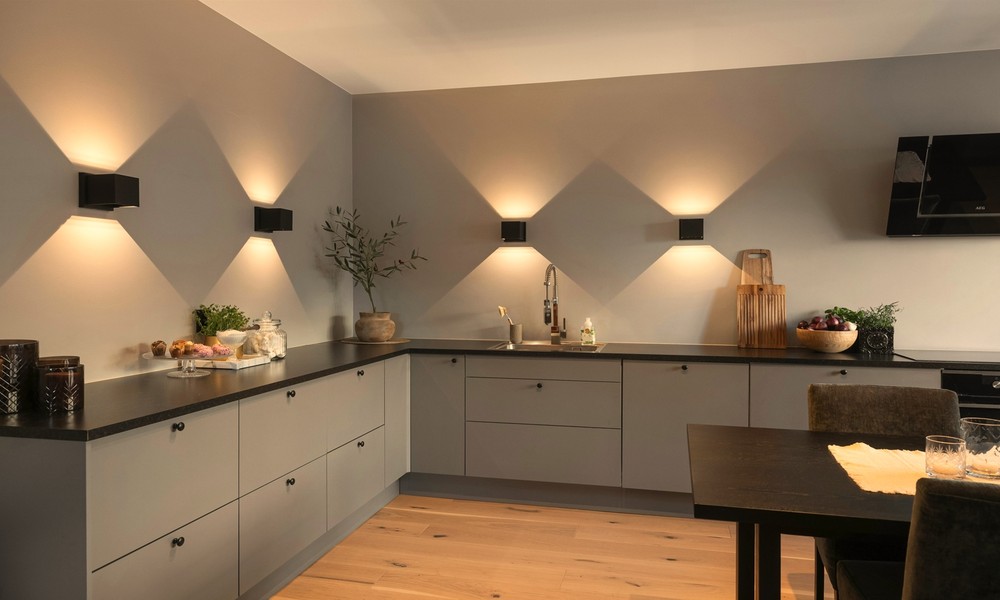
The kitchen island has evolved far beyond being just an extra counter. It is now the centre of modern kitchens; a space where cooking, dining, entertaining, and even working come together. While the design of the island itself matters, the right lighting can completely transform how the space looks and functions.
Well-planned kitchen island lighting improves visibility, enhances ambience, and creates a balanced interior design. From pendant lights to layered illumination, choosing the right setup ensures the island becomes both practical and visually appealing. Thoughtful additions like LED strip lights, under-counter glow, and carefully placed task lighting can also add depth and character to the space.
Here is a complete guide to designing the perfect lighting setup for your kitchen island.
Why Does The Lighting for the Kitchen Island Matter
Kitchen islands serve multiple purposes throughout the day. One moment it may be a meal prep station, and the next it becomes a breakfast counter or gathering space for guests. Because of this, lighting should support both functionality and atmosphere. The right lighting setup can:
- Improve visibility for cooking and chopping
- Create a warm and inviting environment
- Highlight the island as a focal point
- Add dimension and texture to the kitchen
- Support layered lighting within the room
A poorly lit island can make the kitchen feel dull and impractical, while balanced lighting instantly makes the space more refined and comfortable.
Choose the Right Type of Lighting
Different lighting styles serve different purposes. Combining multiple light sources creates a layered and more effective setup.
Pendant Lights for Focused Illumination
Pendant lights are one of the most popular choices for kitchen islands. They provide direct lighting while also adding a decorative element. For longer islands, multiple pendants placed evenly across the surface create balance. Smaller islands may only require one or two fixtures, depending on size.
When selecting pendant lighting:
- Choose fixtures proportional to the island size
- Maintain visual consistency with the kitchen style
- Avoid oversized designs that overwhelm the space
- Ensure enough brightness for tasks without excessive glare
Warm lighting tones generally create a more welcoming ambience, especially in open kitchens connected to dining or living areas.
Recessed Lights for Overall Brightness
Recessed ceiling lights help distribute light evenly across the kitchen. They work particularly well when combined with pendant fixtures. These lights reduce shadows around the island and support general visibility throughout the room. Proper spacing is important to avoid dark corners or overly bright spots.
Using recessed lighting alongside decorative fixtures creates a balanced, layered effect that feels modern and functional.
Accent Lighting for Visual Depth
Accent lighting helps elevate the overall appearance of the island. Subtle lighting details can make the kitchen feel more premium and visually dynamic.
Many homeowners now use LED strip lights beneath the island countertop or along the base for a floating effect. This creates soft ambient illumination during evenings and adds depth to the overall design. Accent lighting works especially well in contemporary kitchens where minimal yet sophisticated lighting is preferred.
Ideal Placement for Kitchen Island Lights
Even the best fixtures may not work effectively if placed incorrectly. Proper positioning ensures comfort, symmetry, and practical visibility.
Height Placement
Pendant lights should generally hang around 30 to 36 inches above the countertop. This provides adequate task lighting without obstructing sightlines across the kitchen. For kitchens with higher ceilings, fixtures can be slightly raised while maintaining visual balance.
Spacing Between Fixtures
Spacing plays a major role in achieving a clean and polished look. A few general placement tips include:
- Leave equal spacing between pendants
- Maintain enough distance from the island edges
- Avoid clustering fixtures too closely together
- Align lights centrally over the island surface
Balanced spacing creates a more organised and visually appealing layout.
Matching Lighting with Island Size
Lighting should always complement the proportions of the island.
- Small islands work best with compact fixtures
- Long islands benefit from multiple evenly spaced pendants
- Wide islands may require layered lighting for better coverage
The goal is to distribute illumination evenly without creating excessive brightness in one area.
Layered Lighting Creates the Best Results
One single light source is rarely enough for a modern kitchen. Layered lighting combines different forms of illumination to improve both functionality and ambience.
A well-layered kitchen may include:
- Pendant lighting for task-focused brightness
- Recessed ceiling lights for overall illumination
- Cabinet lights for improved visibility and detail
- Accent lighting for decorative depth
Adding cabinet lights beneath overhead storage areas can reduce shadows on countertops and improve the practicality of the cooking space. They also contribute to a cleaner and more polished kitchen appearance.
This combination ensures the kitchen remains functional during meal preparation while still feeling warm and inviting during social gatherings.
Smart Lighting for Modern Kitchens
Technology is becoming an important part of contemporary lighting design. Many homeowners now prefer smart lights for the home to improve convenience and energy efficiency.
Smart lighting systems allow users to:
- Adjust brightness levels instantly
- Change colour temperatures
- Create different lighting moods
- Automate lighting schedules
- Control lights through mobile apps or voice assistants
Using smart lights for home around the kitchen island makes it easier to adapt lighting based on the activity. Bright white lighting may work best during cooking, while softer warm lighting creates a more relaxed atmosphere during dinner or entertaining. Smart controls also help reduce unnecessary energy consumption by ensuring lights are only used when needed.
Common Kitchen Island Lighting Mistakes to Avoid
Even stylish fixtures may not perform well if common design mistakes are overlooked. Avoid these frequent mistakes:
- Choosing Fixtures That Are Too Small: Tiny fixtures above a large island can look disproportionate and fail to provide enough illumination.
- Ignoring Task Lighting: Decorative lighting alone may not provide sufficient brightness for food preparation.
- Using Excessively Bright Lighting: Overly harsh lighting can make the kitchen feel uncomfortable and clinical.
- Poor Fixture Alignment: Uneven placement disrupts the visual symmetry of the kitchen and affects overall aesthetics.
Thoughtful planning helps avoid these issues while creating a more balanced and elegant space.
Bringing Style and Function Together
Kitchen island lighting should achieve the perfect balance between beauty and practicality. The right combination of fixture design, placement, and layered illumination can completely enhance how the kitchen looks and feels.
Elements like LED strip lights, properly positioned cabinet lights, and adaptable smart lights for home can help create a kitchen that feels modern, functional, and welcoming at every hour of the day.
When lighting is planned carefully, the kitchen island becomes more than just a workspace, becoming the true heart of the home.