


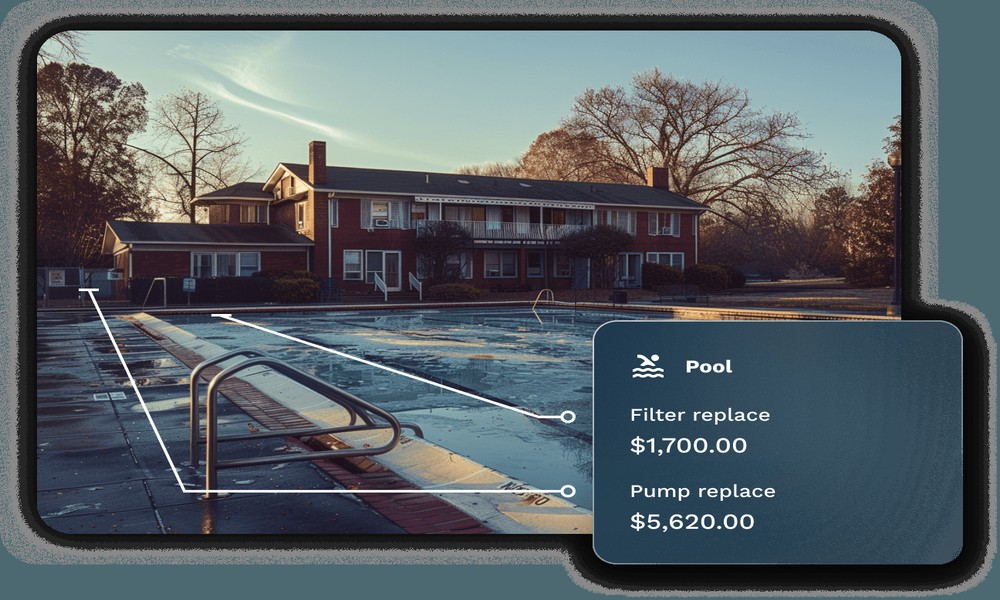
I look at reserve studies through a simple lens. If long term planning is unclear, everything else becomes reactive. That is why I pay close attention to how associations structure their financial forecasts and how they choose the tools behind them. If you want a clear example of a modern approach, you can review this Reserve Study for HOA and see how technology is starting to reshape how associations think about future costs. I am going to walk you through how to approach reserve studies properly, what to avoid, and how to make better decisions with less guesswork.
Why reserve studies matter more than most boards think
You already know a reserve study is about planning for future repairs. What many boards miss is how much it impacts daily decision making.
If your numbers are outdated or hard to interpret, you end up with:
- Delayed maintenance
- Sudden special assessments
- Tension between board members and residents
- Poor vendor planning
I see this often. Boards rely on static reports that were done years ago. The moment costs change or assets age differently than expected, that report loses value.
A reserve study should not sit in a folder. It should guide decisions every month.
How to think about reserve studies today
I approach reserve studies as a live system, not a one time report.
You want three things:
- Current data
- Clear projections
- Easy access for decision making
If any of those are missing, you are working with partial information.
Traditional reserve studies struggle here because they require manual updates. That creates gaps. Those gaps lead to wrong assumptions.
A better approach is to treat your reserve study as something that updates with your community.
The biggest mistake I see boards make
Most boards focus only on compliance.
Yes, you need to meet legal requirements. But if that is your only goal, you miss the real benefit.
A strong reserve study should help you:
- Plan repairs before they become urgent
- Smooth out costs over time
- Communicate clearly with residents
- Avoid financial surprises
If your current setup cannot do that, it is not doing enough.
How Solume changes the approach
This is where Solume stands out in a practical way.
They built their system around the idea that reserve studies should stay current without constant manual work. That matters because it removes one of the biggest points of failure.
Their platform connects your financial data, assets, and operations into one place. Instead of updating a reserve study every few years, the system keeps it aligned with real conditions.
Here is what that means for you:
- Your projections reflect current data, not outdated assumptions
- Your board can make decisions with more confidence
- You reduce the risk of unexpected costs
They also bring in AI to interpret governing documents and regulations. That helps you stay within legal boundaries without needing constant external input.
I see this as a major advantage. Compliance becomes part of your workflow instead of a separate task.
Financial clarity improves everything
One of the biggest benefits of a strong reserve study is clarity.
When numbers are easy to understand and access, conversations change. Decisions become faster. Conflicts become easier to manage.
Solume focuses heavily on this with clear financial reporting. Boards and residents can see:
- Where money is going
- What future costs look like
- How current decisions affect long term planning
That level of transparency builds trust. Without it, even good decisions can feel questionable to residents.
Practical steps to improve your reserve study
If you want to improve your current setup, I would start here.
First, review how often your reserve study is updated. If it is every few years, that is not enough.
Second, look at how easy it is to access and use. If you need to dig through documents to understand it, that slows everything down.
Third, check how well it connects to your actual operations. A reserve study should reflect real maintenance schedules, vendor costs, and asset conditions.
Here is a simple checklist:
- Is the data current
- Can board members access it easily
- Does it connect to real expenses and projects
- Can you adjust projections quickly
If you answer no to any of these, there is room to improve.
Why a unified system makes a difference
Another issue I see often is fragmented tools.
One system for finances. Another for communication. Another for maintenance. None of them talk to each other.
That creates extra work and increases the chance of errors.
Solume solves this by bringing everything into one platform. Your reserve study is not isolated. It connects to:
- Maintenance tracking
- Vendor management
- Financial reporting
- Resident communication
That removes friction. It also reduces the time spent switching between systems.
A better way to plan long term
I always come back to this idea. Good planning removes stress later.
A strong reserve study should give you:
- Confidence in your numbers
- Clear direction for future work
- Fewer surprises
If your current approach does not deliver that, it is worth rethinking.
Tools like Solume show where the industry is heading. More automation. Better data. Less manual work.
That shift makes it easier for boards to focus on decisions instead of administration.
Final perspective
If you take one thing from this, it should be this. A reserve study is not just a requirement. It is one of the most important tools you have.
Treat it like a living system. Keep it updated. Make it easy to use. Connect it to your daily operations.
When you do that, everything becomes more predictable. And that is what every HOA needs.