


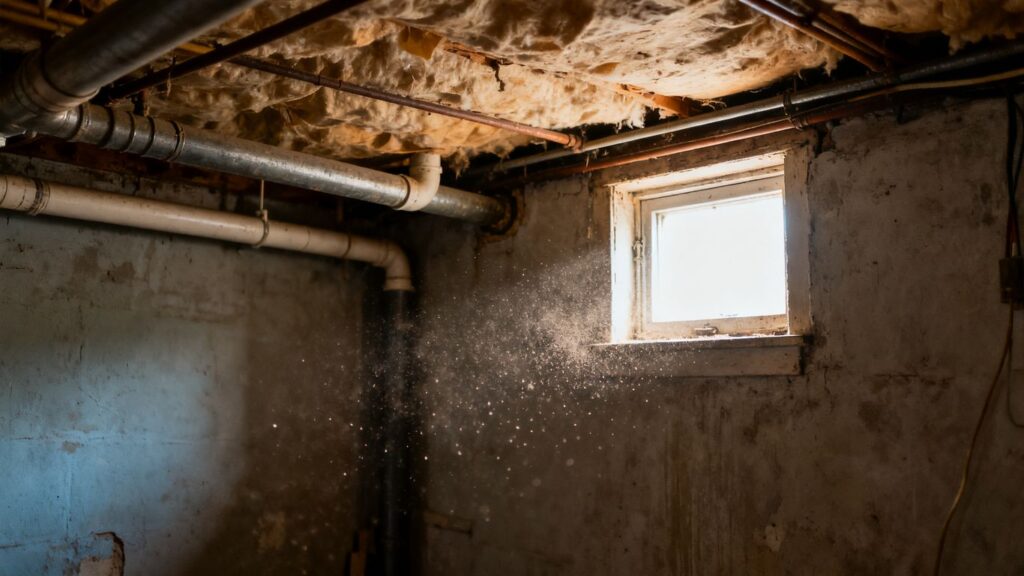
Asbestos is a naturally occurring mineral fiber that was once prized for its thermal insulation and fire-resistant properties. While it remained a staple in construction for decades, the health consequences of exposure become clear when the material degrades or undergoes physical trauma. Understanding the risks is essential for anyone living in or managing an older property where these particles may linger.
Link between asbestos and lung cancer
Exposure to asbestos fibers significantly increases the likelihood of developing serious respiratory conditions, including lung cancer and mesothelioma. When these microscopic, needle-like fibers are inhaled, they bypass the body’s natural defense systems and embed themselves deep inside the lung tissue. This long-term irritation leads to inflammation and scar tissue, which contributes to the formation of malignant tumors over many years.
Common symptoms of fiber inhalation
Individuals who have been exposed to airborne fibers may not exhibit symptoms for a long time, as asbestos-related diseases operate on a slow development cycle. Common warning signs often include a persistent dry cough, shortness of breath, and chest pain or tightness. If you notice these symptoms and have a history of living in a home built before the 1980s, consulting a physician is a prioritized step to rule out environmental factors.
Vulnerable populations in older homes
While every occupant faces risks from asbestos exposure, certain groups are statistically more susceptible to long-term harm. Children, for instance, have higher respiration rates and longer life expectancies, meaning they have more time to develop conditions as a direct result of childhood exposure. Households intending to reside in or renovate vintage properties for the long term should consider asbestos testing older homes a foundational part of their safety strategy.
Identifying common asbestos-containing materials
Recognizing potential hazards is challenging because asbestos is rarely found as a pure, standalone substance. It was frequently woven into common building products that now appear harmless to the untrained eye. Homeowners must be aware that asbestos in homes is common, and visual identification is often deceptively difficult.
Insulation and pipe lagging
Insulation in older attics and basement walls often contains asbestos, particularly if the material appears as lumpy or paper-wrapped batting. Pipe lagging—the insulation material used to wrap plumbing for steam or hot water—is another frequent culprit. When this insulation begins to crumble with age, it creates a high potential for fiber release during routine furnace maintenance or basement reorganization.
Floor tiles and adhesive mastics
Vinyl floor tiles manufactured before the 1980s often used asbestos to provide durability and fire resistance. The adhesive mastics used to secure these tiles often contain even higher concentrations of the material. When these tiles crack, break, or are pried loose during renovation, the hazardous fibers transition from being trapped in the adhesive to floating in the air.
Roofing materials and siding shingles
Exterior building materials, such as cement-based roofing shingles and wall panels, often integrated asbestos for structural support and fire protection. These materials are generally safe when they remain intact and weathered, but they become problematic during remodeling. When contractors begin cutting or sanding these items, the process acts as an effective aerosolization release mechanism for the trapped mineral fibers.
Popcorn ceilings and wall textures
Textured finishes, commonly known as popcorn ceilings, frequently relied on asbestos as a binding agent. Disturbing these surfaces during a home improvement project is a primary cause of accidental exposure. For those looking to manage these hazards, evaluating environmental exposure requires professional oversight and expert documentation of materials.
When to schedule asbestos testing in older homes
Deciding when to perform an environmental inspection is just as vital as understanding the risks themselves. Homeowners should evaluate their property based on planned changes and current physical conditions. Several situations necessitate a professional assessment to ensure your environment is safe:
- Preparing for major structural renovations or demolition.
- Discovering crumbling insulation or damaged tile after a leak.
- Completing due diligence during a real estate sale or purchase.
- Identifying deteriorating materials during routine basement work.
If any of these scenarios occur, formal testing ensures that latent hazards are identified before they impact your family’s health. Relying on professional data prevents the risks inherent in guessing whether a material contains hazardous components.
Planning home renovations or remodeling
Renovations are the most common time to encounter asbestos because construction processes inherently disturb wall, floor, and ceiling assemblies. Before swinging a sledgehammer, it is critical to confirm the safety of all materials being modified. Skipping this step often causes widespread contamination that requires professional remediation far more complex than simple removal.
Responding to damage or deteriorating materials
Water leaks, localized pests, or normal settling can cause materials that were previously stable to become friable. When materials start to flake, crumble, or release dust, the danger to occupants increases exponentially. Immediate inspection is required to determine the best course of action for containment.
Assessing property during real estate transactions
Buyers often learn about asbestos as a condition of their due diligence processes. Having a professional test conducted prior to closing protects the buyer from potential cleanup costs and long-term health liabilities. Sellers who proactively test and disclose findings often facilitate a smoother transition during the home transaction process.
Identifying hazards during routine home maintenance
Occasional inspections during small repairs help keep small problems from turning into significant ones. Even if you aren’t planning a remodel, knowing where asbestos is located allows you to avoid drilling or sanding in those specific spots, keeping the material undisturbed and safe.
The professional asbestos testing workflow
Professional testing is a structured, systematic process that relies on specialized knowledge and equipment. It is not something that can be handled through anecdotal verification or guesswork.
Selecting a certified environmental inspector
Choosing a certified inspector ensures that the testing workflow adheres to national safety standards. A qualified professional has the training to distinguish between building materials that look suspicious and those that actually require formal lab confirmation.
Visual assessment and inspection protocols
Inspectors begin the process by performing a visual walkthrough of the property, flagging materials that match the age and appearance of known asbestos-containing items. They document any signs of wear, moisture intrusion, or previous damage that could suggest current fiber release.
Safe sample collection techniques
When a sample is needed, the technician follows stringent protocols to prevent cross-contamination. They use specialized tools to remove a small, representative piece of the material, which is then immediately sealed in a laboratory-grade container for transport.
Laboratory analysis and reporting standards
Once the samples reach the lab, analysts use polarized light microscopy to identify the specific mineral composition. The final report provides clear documentation of the results, including the percentage of asbestos found and its state of friability.
Managing test results and safety protocols
When test results identify asbestos, the focus shifts to containment and ongoing safety management. A certified report provides the roadmap for any necessary further steps.
Distinguishing between friable and non-friable materials
Friable materials are those that can be crumpled or reduced to powder by hand pressure, which makes them far more dangerous. Non-friable materials, like solid floor tiles, are safer as long as they remain in one piece and are not mechanically disturbed.
Determining the necessity of abatement services
Not every asbestos finding requires aggressive removal. Pros evaluate whether the material is in good condition, where it is located, and how likely it is to be disturbed in the future. Abatement is typically recommended only when the material poses a direct, unmanageable risk of exposure.
Requirements for licensed contractor remediation
If removal is required, licensed contractors must perform the work. They use high-efficiency particulate air filtration and strict containment zones to ensure no asbestos fibers escape the work area, keeping the rest of the home clean during the process.
Long-term management plans for undisturbed materials
If the material is intact and in safe areas, identifying asbestos might simply lead to an ongoing monitoring plan. This involves periodic visual checks to ensure the condition of the material has not changed due to environmental stressors or structural movement.
Legal and regulatory requirements for homeowners
Understanding the legal landscape is essential for managing properties that contain hazardous materials, especially when those properties are part of a real estate transaction.
Local and state disclosure obligations
In many jurisdictions, sellers have a legal obligation to disclose known environmental hazards. Being transparent about existing asbestos, or lack thereof, protects owners from potential future litigation initiated by subsequent buyers.
Permitting requirements for removal projects
Formal remediation projects often trigger localized permitting requirements. Obtaining the correct permits ensures that the project is vetted against municipal waste disposal regulations, which are strict when dealing with hazardous waste.
Compliance with EPA and OSHA guidelines
While OSHA focus is largely on the safety of the workers performing the removal, the EPA sets the standard for how the materials are handled to protect the public. Following these established procedures is the only way to ensure legal and health compliance.
Liability considerations for property owners
Property owners remain liable for the environmental safety of their premises. Taking proactive steps to identify and manage hazards through professional testing reduces the footprint of liability and keeps occupants safe from the long-term impacts of exposure.