


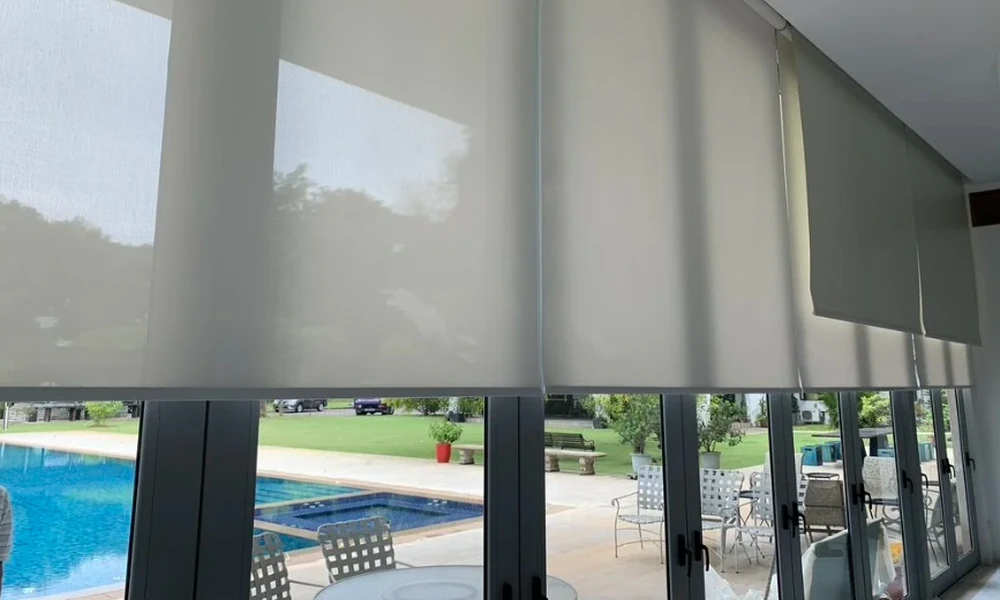
Choosing a blind supplier in Singapore involves more than selecting a colour or design for a window. Property owners should consider how the blinds will manage daylight, privacy and everyday use, as well as whether the supplier can provide suitable materials, accurate measurements, customisation and proper installation.
Window requirements can differ significantly between bedrooms, living areas, offices and commercial spaces. Singapore’s bright daylight and warm, humid conditions also make practical factors such as light control, material suitability and maintenance important when selecting blinds.
A structured assessment helps property owners choose blinds according to the requirements of each space rather than appearance alone.
Start by Identifying What the Blinds Need to Do
The right blinds should address the practical requirements of the room or space where they will be installed. Identifying those requirements first makes it easier to compare blind types, materials and operating systems.
Privacy is often important for bedrooms and spaces facing neighbouring properties or public areas. Living rooms may require a balance between privacy and natural light, while offices may need better glare management around computer screens and workstations.
Property owners should consider several basic requirements before selecting a blind:
- Required level of privacy
- Amount of natural light entering the room
- Direction and intensity of sunlight
- Frequency of opening and closing
- Window dimensions and accessibility
- Interior design and functional requirements
A blind supplier should be able to relate these requirements to suitable products rather than recommending one blind type for every application.
Match the Blind Type to the Space
Different blind systems provide different levels of light control, privacy and usability. The appropriate choice depends on the window, room function and how occupants intend to use the space.
Roller blinds provide a relatively simple window covering that can be raised or lowered according to the amount of coverage required. They can be considered for homes, offices and other spaces where straightforward operation is preferred.
Venetian-style systems use adjustable horizontal slats, allowing occupants to change the angle of incoming light while maintaining varying levels of privacy. This can be useful where flexible daylight control is important throughout the day.
Vertical systems use vertically arranged components and can be suitable for wider openings depending on the window or door configuration. Other specialised blind systems may be appropriate where there are particular design, shading or operational requirements.
The key consideration is not which blind type is universally best, but which configuration matches the specific window and intended use.
Consider Privacy and Light Control Together
Privacy and light control are related but separate requirements when selecting window blinds. A room can require strong privacy without needing complete darkness, while another space may require significant light reduction during certain periods.
Bedrooms commonly need greater privacy and may require stronger light control for sleeping conditions. Living areas often benefit from more flexible daylight management, allowing occupants to reduce glare without keeping the room covered throughout the day.
Commercial environments have different requirements. Offices may need blinds that reduce direct sunlight and screen glare while still allowing sufficient natural light for comfortable working conditions.
Property owners should therefore assess how the space is used at different times of day. This provides a more useful basis for choosing blinds than selecting a product solely from a sample or photograph.
Evaluate Blind Materials for Their Intended Environment
Blind materials should be selected according to the conditions of the installation area and the expected level of use. Appearance is important, but material behaviour, cleaning requirements and suitability for the environment also affect long-term usability.
Fabric options can differ in texture, density and the amount of light they allow through. Other blind systems may use aluminium or different materials depending on their design and intended application.
Areas exposed to stronger sunlight may require different material considerations from shaded rooms. Spaces where dust, moisture or frequent cleaning are concerns may also benefit from materials that are easier to maintain.
When reviewing materials with a blind supplier in Singapore, property owners should ask how each option performs in the intended environment rather than assuming that all materials provide the same result.
Decide Whether Standard or Customised Blinds Are Appropriate
Customised blinds are made according to the dimensions and requirements of a particular opening. This can be useful where windows have non-standard measurements or where the property requires a more specific configuration.
Window dimensions can vary even within the same property. Large openings, narrow windows and unusually positioned windows may require different approaches to achieve appropriate coverage and operation.
Customisation may also involve decisions about materials, colours, operating mechanisms and other product specifications. The available options will depend on the blind system and supplier.
A supplier that can assess the actual installation area can help determine whether a standard configuration is appropriate or whether a customised solution is more suitable.
Accurate Measurement Is Essential for Proper Blind Installation
Accurate measurement is one of the most important practical steps in blind installation. Incorrect dimensions can affect coverage, appearance, operation and the way the blind fits within or around the window opening.
Measurements should account for more than the basic width and height of a window. The installation position, surrounding structure, available mounting space and operating clearance may also need to be considered.
For larger or less conventional windows, an on-site assessment can help identify conditions that may not be obvious from dimensions supplied remotely.
A professional blind installation process should therefore begin with a clear understanding of the window and its surrounding area before the final blind specifications are confirmed.
Consider Manual and Motorised Operation Based on Actual Use
Manual and motorised blinds provide different methods of controlling a window covering. The appropriate choice depends on accessibility, window size, frequency of operation and the preferences of the occupants.
Manual systems can provide straightforward operation for windows that are easily accessible. They may be appropriate where blinds are adjusted occasionally and there are no significant accessibility concerns.
Motorised systems can be considered where convenient operation is important or where blinds are installed on larger or difficult-to-reach windows. The exact control options available depend on the blind system being supplied.
Property owners should consider how often the blinds will be adjusted and who will operate them. Automation should address a practical requirement rather than being selected only because the feature is available.
Review Residential and Commercial Requirements Separately
Residential and commercial blinds can serve similar basic functions, but their operating requirements may differ. The scale of the installation, frequency of use and type of occupants can affect product selection.
Homes typically require blinds for bedrooms, living rooms, study areas and other personal spaces. Privacy, interior design and comfortable daylight management are common considerations.
Commercial properties may have larger numbers of windows or wider openings. Offices can also require consistent appearance across multiple areas and practical glare management for workspaces.
A blind supplier should therefore assess the type of property and how each area functions before recommending the same product across an entire project.
Look at Product Customisation and Manufacturing Capability
Product customisation can be important when a property requires blinds to fit specific dimensions, design requirements or operating conditions. Understanding how a supplier sources or produces its blinds can therefore help property owners evaluate available options.
Local manufacturing capability can be relevant when assessing how blinds can be customised according to project measurements and requirements.
Property owners should confirm the available materials, specifications, dimensions and operating options for the particular blind system they are considering.
The objective is to determine whether the supplier can provide a product suited to the actual window rather than adapting the property to a limited standard size.
Examine Installation Experience and Completed Projects
Installation experience provides useful evidence of how a supplier handles different property and window conditions. Completed projects can also help property owners understand how different blinds look and function in real settings.
A project portfolio is most useful when it shows installations that are relevant to the intended application. Residential property owners may look for similar room or window configurations, while commercial clients may be more interested in larger or repeated installations.
Project examples can also provide context for design choices, mounting arrangements and product configurations.
Photographs alone do not determine installation quality, but documented work can help property owners ask more informed questions before deciding on a blind solution.
Ask About Maintenance Before Selecting a Blind
Maintenance requirements vary according to the blind type, material and installation environment. Understanding routine care before making a selection can help property owners choose a solution that is practical to maintain.
Dust accumulation is a common consideration for window coverings. Some surfaces may be easier to wipe or clean regularly, while fabric-based products may require different care methods.
Operating components should also remain functional over time. Any cleaning or maintenance method should follow the requirements of the specific blind system rather than applying the same method to every product.
Property owners should ask the supplier about recommended cleaning methods and routine maintenance before finalising their selection.
Compare Suppliers Using Practical Criteria
A blind supplier should be evaluated on the complete process from product selection to installation. Comparing only appearance can overlook factors that affect how well the blinds perform after installation.
Useful criteria for evaluating suppliers include:
- Range of blind systems suitable for the required application
- Ability to provide accurate measurements and product specifications
- Material and customisation options
- Installation experience
- Relevant completed projects
- Guidance on maintenance and ongoing use
These criteria help property owners compare suppliers based on practical capability rather than relying only on product photographs or general descriptions.
Key Questions to Ask Before Confirming a Blind Supplier
Clear questions help property owners understand whether a proposed blind solution is appropriate for their property. The answers should relate directly to the window, environment and intended use.
Questions can include:
- Which blind type suits this particular window and room?
- How will the blind affect privacy and natural light?
- Which materials are suitable for the installation environment?
- Does the window require a customised size or configuration?
- What maintenance does the selected blind require?
- How will the blind be measured and installed?
Specific answers provide more useful information than broad claims about one product being suitable for every property.
Frequently Asked Questions (FAQs)
What should I look for in a blind supplier in Singapore?
A blind supplier should be able to explain suitable blind types, materials, measurements, customisation options and installation requirements for the intended space. Relevant installation experience and completed projects can also provide useful context when comparing suppliers.
How do I choose blinds for different rooms?
Blinds should be chosen according to each room’s privacy, daylight and functional requirements. Bedrooms may need stronger privacy and light control, while living areas may benefit from more flexible management of natural light.
Are customised blinds necessary for every window?
Customised blinds are not automatically necessary for every window. They are particularly relevant where dimensions, mounting conditions, design requirements or operating needs cannot be adequately addressed by a standard configuration.
Should I choose manual or motorised blinds?
Manual blinds can suit accessible windows where straightforward operation is sufficient. Motorised systems may be useful for larger, difficult-to-reach or frequently adjusted blinds, depending on the available product and control system.
Why is professional measurement important for blinds?
Accurate measurement helps ensure that the blind fits the intended opening and can operate correctly. The assessment can also identify mounting space, structural conditions and clearance requirements that basic width-and-height measurements may not capture.
Making a Practical Blind Selection
Choosing blinds is most effective when the decision starts with the requirements of the property rather than appearance alone. Privacy, daylight, window dimensions, material suitability, operation, installation and maintenance all influence whether a blind is appropriate for a particular space.
A blind supplier in Singapore should be able to translate these requirements into suitable product options and explain the practical differences between them. Assessing the complete process helps property owners make a more informed decision while avoiding unnecessary features or unsuitable configurations.
Discuss Your Blind Requirements
Property owners who need further information about available blind systems can contact Moonlight Pte Ltd. to discuss the intended application, window configuration, material requirements and installation considerations.
For project-specific enquiries, contact Moonlight Pte Ltd. at to provide details of the property and the type of window solution being considered.