

The way you structure your lease agreement sets the foundation for the entire duration of your tenants’ stay. In many ways, the lease is the heart of your rental property business—it defines expectations, protects your investment, and ensures that both parties understand their rights and responsibilities.
However, creating a lease agreement from scratch can be challenging, especially if you manage your own rental properties and aren’t familiar with local housing laws. Lease agreements must include specific details to make them legally enforceable and protect both landlords and tenants in case of disputes and that is exactly why most landlords turn to https://www.ezlandlordforms.com for lease agreement templates.
That’s why understanding the steps for creating a legally compliant lease is essential for running a smooth and successful rental business. If you’re wondering how to create a solid lease that safeguards your interests and promotes a positive relationship with your tenants, here are the key steps to follow.
1. Hire an Attorney
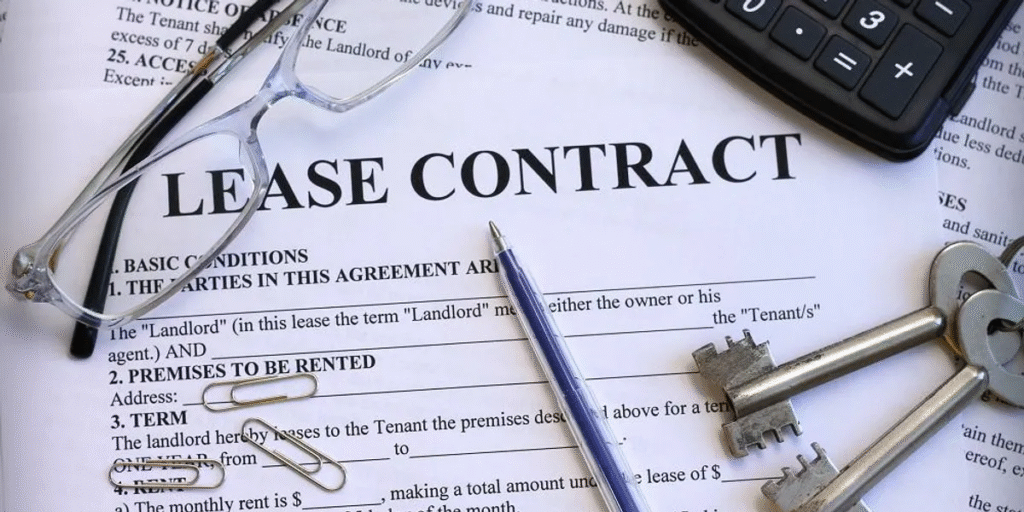
One of the smartest things you can do when drafting a lease agreement is to hire a qualified real estate attorney. If you don’t have professional property management support, having a lawyer draft or review your lease is the next best thing.
An attorney ensures your document follows not only federal housing regulations but also your state and city’s landlord-tenant laws. For instance, Maryland and its local jurisdictions, like Potomac, have specific rules that landlords must follow.
If you write your lease without proper legal guidance, you might unknowingly include clauses that violate the law—or, worse, leave out critical terms that could later be used against you.
Even though hiring an attorney may seem like an extra expense, it’s a smart investment that can save you from legal troubles, disputes, and financial losses in the future. It’s also beneficial to educate yourself about local property laws, so you can better understand how to protect your interests whether or not you work with a professional.
2. Keep Multiple Copies of the Lease
Modern technology has made digital recordkeeping much easier, but when it comes to legal documents like lease agreements, having physical copies remains important.
Digital files can sometimes be altered—intentionally or accidentally—by tenants or software errors. To prevent any confusion or manipulation, always keep printed and signed copies of your lease agreement in a secure location.
During the tenant’s move-in process, review the lease in person with your tenants and make sure everyone signs the final document. This ensures that all parties fully understand the terms and eliminates the possibility of future misunderstandings.
Having multiple copies—both digital and printed—also provides strong evidence if a disagreement arises over what was originally agreed upon.
3. Address Lease Changes with Written Addendums
Over time, your tenants’ circumstances may change, and they might request modifications to their lease. To avoid confusion, your lease should include a clause that clearly states no changes are valid unless made in writing and signed by both parties.
For example, let’s say your tenants initially signed a no-pets lease, but later request permission to adopt a small dog. If you agree, it’s essential to add a written addendum specifying the updated pet policy—covering details such as breed restrictions, pet deposits, and responsibilities for any damages.
Allowing verbal agreements opens the door to misunderstandings and potential disputes. By keeping all lease changes written and signed, you protect both yourself and your property from future complications.
4. Use Clear and Simple Language
A strong lease agreement should be easy for anyone to read and understand. Avoid using complicated legal jargon or vague language that could lead to confusion.
Every term should be specific, direct, and unambiguous. Clear writing prevents tenants from misinterpreting clauses and helps ensure that the document holds up in court if necessary.
Some of the most important points to clearly outline include:
- Security deposit amount, use, and return procedure
- Rent amount, due date, and late payment penalties
- Maintenance responsibilities and repair policies
- Whether property alterations are allowed and under what conditions
- Early lease termination procedures
- Landlord’s right of entry and required notice periods
- Rules for roommates, guests, and property use
These sections are crucial because they cover the most common sources of landlord-tenant conflicts. The more specific you are, the better protected you’ll be.
5. Customize Your Lease Agreement Template
Many landlords start with a lease agreement template, and that’s perfectly fine—as long as you customize it to fit your property’s unique needs and comply with local laws.
Generic templates often overlook region-specific requirements, such as those in Potomac or Maryland. You should review every section carefully to make sure it reflects your expectations and adheres to your state’s landlord-tenant regulations.
For example, Maryland law includes specific rules about late fees, notice periods, and security deposit handling that must appear in your lease. Adjusting your template to match these laws ensures your lease is legally valid and enforceable.
If you want to add another layer of professionalism, you can also attach a rent receipt template to your lease documents. This helps keep rent payments organized, provides proof of payment, and makes your recordkeeping more transparent for both you and your tenants.
In Closing
Drafting a strong lease agreement is one of the most important steps in managing a rental property successfully. It defines expectations, protects your investment, and ensures your tenants understand their rights and obligations from day one.
If you prefer expert guidance, consider working with a property management company in Potomac, MD, such as Bay Management Group. Their team can help you craft lease agreements that are fully compliant with Maryland’s housing laws and tailored to your property’s needs.
With the right approach and attention to legal detail, you’ll have a lease agreement that keeps your property protected, your tenants happy, and your rental business running smoothly.